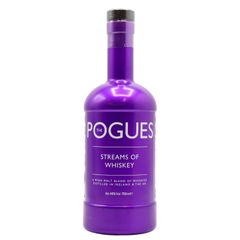
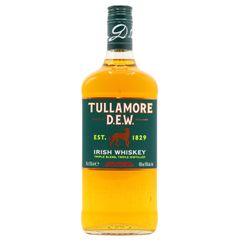
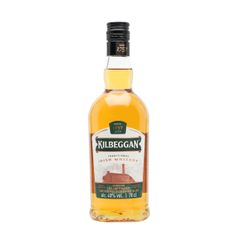
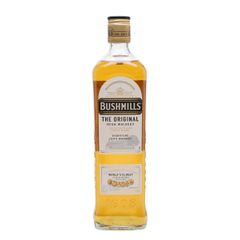
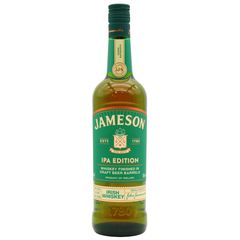
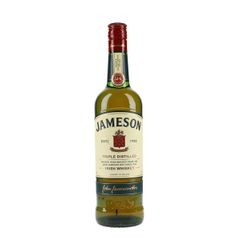
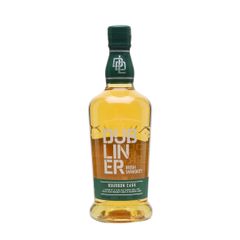
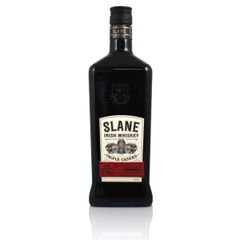
A strong case is often made for the belief that whiskey was invented in Ireland, something the Scots don't necessarily agree with. Whether the claim is true or not, it does seem certain that Ireland once enjoyed a far larger share of the global whiskey industry than it does today. For a variety of reasons - from bad luck to poor management and wider political and economic pressures - the Irish whiskey industry lost its grip on the global market and declined for much of the 20th century.
In the early 2000s, the vast majority of Irish whiskey was distilled at three distilleries: Midleton, Bushmills and Cooley. At the time, Cooley also owned the Kilbeggan Distillery, which had recently resumed production after years operating mainly as a whiskey museum. Since then, however, the landscape has changed dramatically. Irish whiskey has enjoyed a major revival, and production is no longer concentrated in just those few sites, with many new distilleries now operating across the island.
Ownership has changed as well. Midleton remains part of Irish Distillers, owned by Pernod Ricard; Bushmills is owned by Proximo Spirits; and Cooley and Kilbeggan are now part of Suntory Global Spirits, following the Beam acquisition of Cooley and subsequent corporate changes. So while the biggest historic producers are still foreign-owned, the wider Irish whiskey scene is now broader and more diverse, with a growing number of newer independent distillers.
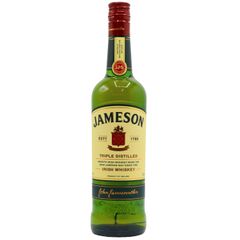
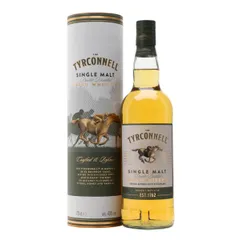
Irish whiskey is still famous for its often smoother, mellower style, though the category today is much more varied than that old stereotype suggests. The Cooley brands have won many followers with their excellent single malts and blends, full of character and flavour. And Redbreast, in particular, has continued to show that there's far more to Irish whiskey than the dominant Jameson and Bushmills blends.