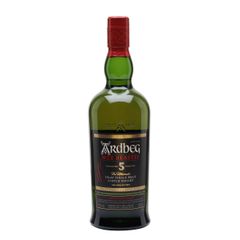
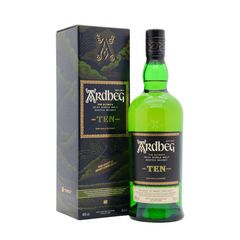
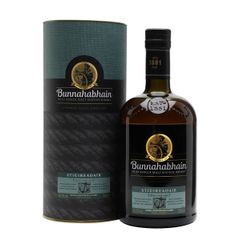
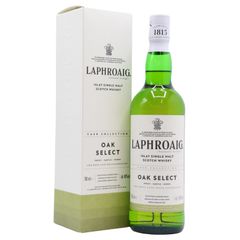
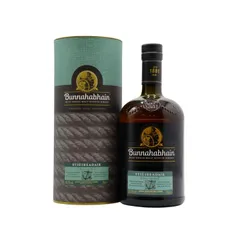
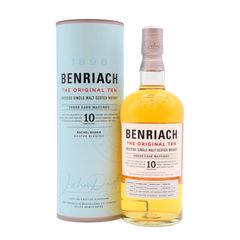
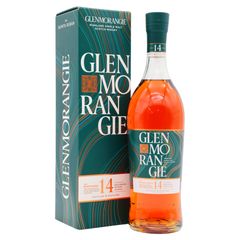
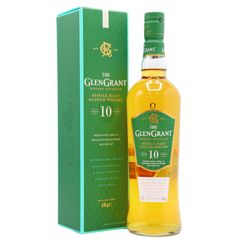
Single Malt Scotch carries a rare degree of reverence throughout the whisky world, associated as it is with history, individuality and complexity. It's made from just three raw materials — malted barley, water and yeast — and must be distilled at a single distillery by batch distillation in copper pot stills. It must then be matured in Scotland in oak casks for at least three years and bottled in Scotland at a minimum strength of 40% ABV.
Much of the character of single malt Scotch is shaped by maturation. A large proportion is aged in ex-bourbon casks, often barrels or rebuilt hogsheads, while other whiskies spend all or part of their lives in casks that previously held sherry or other wines and spirits. These decisions can have a profound impact on the final whisky, influencing everything from sweetness and spice to texture and depth.
An extraordinary degree of variety exists from one Scottish distillery to another. Few categories of spirit demonstrate so clearly how production decisions shape flavour. Fermentation time, still shape and size, heating regime, cut points, condenser type and cask selection all contribute to the final character of the whisky. Regional identity may still have relevance, but the individuality of a single malt is ultimately defined by the particular decisions made at the distillery itself.